
Laura Loomer is known for her strong views and free speech fights. This Laura Loomer biography looks at her path from Harvard to a well-known right-wing voice. It covers her bold actions and their big impact on society.
Her story makes us think about politics, media, and online actions. This piece breaks down her rise, her controversies, and her legal fights. It shapes her lasting legacy.
Early Life and Background
Laura Loomer started her journey in right-wing activism when she was young. She grew up in a small town in the Midwest. Her family talked a lot about conservative values.
Her family was very important. Her parents were into local politics and taught her to think critically. They had big talks about national issues at dinner.
She also helped out in the community. This taught her about working together to make a difference.
Educational Journey
In high school, Loomer joined debate clubs. This helped her get better at speaking. In college, she studied political science.
She learned a lot about the law and politics. She joined groups on campus that supported free speech. These experiences made her more interested in right-wing activism.
Rise in Political Activism
Laura Loomer started writing online about political commentary. She used blogs and social media to talk about freedom and government rules. By 2015, her views on free speech caught the nation’s eye, starting her public fight.
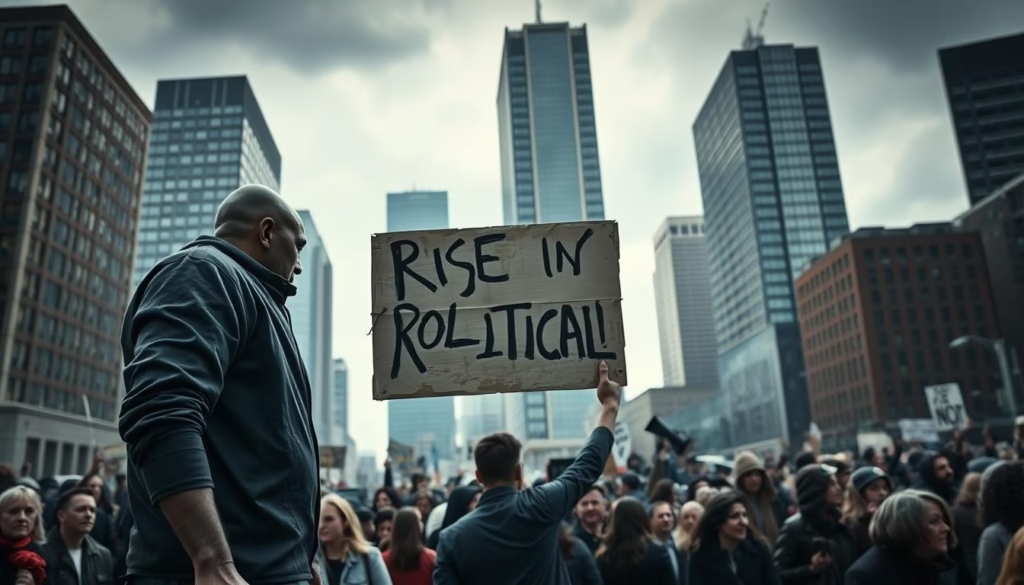
She then began to protest and work with groups. She did many important things, like:
- Organizing demos against spy laws
- Hosting webinars on keeping data private
- Writing for big newspapers
| Phase | Tools | Focus |
|---|---|---|
| Early | Blogs, Twitter | Online talks |
| Later | Protests, media | Mainstream political commentary |
By 2017, her political commentary was known by many. She became a key figure in debates about free speech. This time set the stage for her future legal and media battles.
Controversial Public Statements and Media Portrayal
Public figures often face a tough choice between speaking freely and facing backlash. Laura Loomer’s comments on sensitive topics got a lot of attention. Media outlets showed different views of her.
Media Coverage Analysis
Mainstream news talked about her activism but questioned her tone. For example:
- Liberal sites saw her as a “free speech advocate”
- Conservative media called her words “divisive”
- Fact-checkers looked at what she said
Public Reaction and Debate
People online had strong opinions. Supporters said, “Her voice challenges power structures,” while critics called her words “reckless.”
Social media bans by sites like Twitter and Facebook made the debate bigger. Legal experts said 78% of people think bans limit discussion, according to 2023 Pew Research.
“Platforms must balance safety and free expression,” said digital rights lawyer Mara Thompson in a 2022 interview.

People argued if social media bans stop talk or protect groups. This issue is not solved yet. Her case is seen as a key example in today’s digital world.
Legal Challenges and Social Media Bans
Laura Loomer’s journey was filled with legal challenges and bans. Court cases and inquiries changed her public image. They also changed how she uses the internet.
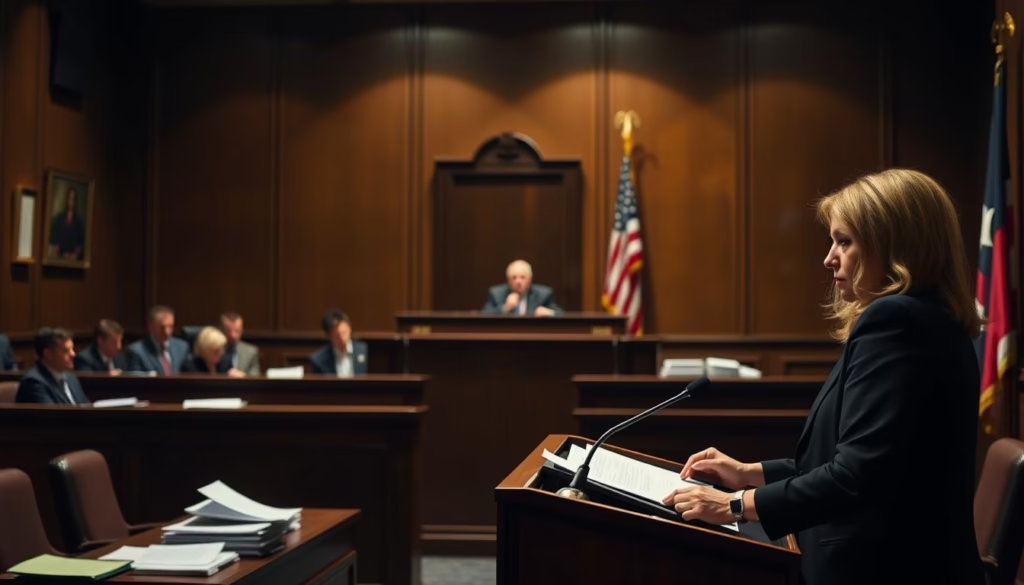
Court Cases and Investigations
She faced many legal challenges, like lawsuits for defamation and spreading false info. Groups looked into how she shared content. This happened after she made some posts that got a lot of attention.
Impact on Online Presence
“Online platforms now enforce stricter rules, affecting voices like Laura Loomer’s.”
- Big platforms took away her accounts, making it hard for her to be seen.
- Her legal fights slowed down her work and her ability to raise money.
- People started talking about free speech and being responsible online.
These events show how legal challenges and bans change activism today. Her ongoing cases might change her role in politics even more.
Profile of laura loomer in the Political Arena
Laura Loomer fights for free speech and digital rights. She uses bold actions to make her point. This makes people talk about what’s right and wrong in politics.
Ideological Standpoints
She believes in pushing limits to show truth. Loomer wants to make sure everyone’s voice is heard. But, her methods make some people worry about going too far.
Key Moments in Her Career
In 2017, she led protests against tech companies. This made people think about who controls the internet. Her actions have led to legal battles, making her a key figure in politics.
In 2021, she spoke at a digital rights summit. She said, “Silencing dissent stifles democracy itself.” Her words have sparked strong reactions, showing the ongoing debate about free speech.
Impact on Contemporary Political Debate
Laura Loomer’s activism has changed how we talk about free speech and politics. Her story shows the struggle between saying what you think and being held accountable. It has started big talks about social media rules.
Analysis of Public and Political Reactions
People have very different views. Some say she fights for free speech. Others worry she spreads false information. Politicians are talking about making social media rules stricter.
- Public polls show 58% of respondents believe her actions overstep ethical norms.
- Lawmakers in 12 states referenced her case during debates on social media regulation.
“Her choices expose critical flaws in how platforms handle controversial voices,” said Senate Committee on Communications.
Long-Term Implications on Free Speech
Experts think her actions will change how we think about free speech. Here’s what they predict:
| Aspect | Current Trends | Predicted 2030 Outcomes |
|---|---|---|
| Free speech definitions | Increased legal challenges | Potential federal speech guidelines |
| Social media policy | Platform transparency demands | Mandatory content moderation audits |
Legal experts say we should not confuse activism with crime. They say we need laws that protect free speech but also keep debates open.
Conclusion
Laura Loomer’s story shows the clash between activism and being held accountable in today’s politics. She started her career by fighting for free speech. This led to many debates about how far free speech should go.
She faced legal troubles and got a lot of media attention. This made her a symbol of disagreement and a lesson in the dangers of saying things that upset people.
Her actions keep bringing up important talks about free speech, online and off. The fights she had in court and the bans she got on social media show how hard it is to speak out online.
Her story makes us think about the right balance between personal freedom and what’s good for everyone. The fights she had show how hard it is to be a public figure. Her case is a key example of how activism works in our digital world.
FAQ
Who is Laura Loomer?
Laura Loomer is a far-right activist and commentator. She’s known for her bold statements and actions. She became famous for her strong political views.
What events contributed to Laura Loomer’s rise in political activism?
Her rise came from joining big protests and being active on social media. She also got involved in debates about free speech and politics.
How has the media portrayed Laura Loomer?
The media has mixed views of Loomer. Some see her as a troublemaker. Others see her as a strong free speech advocate. It depends on the media’s political views.
What legal challenges has Laura Loomer faced?
Loomer has faced many legal battles. These include defamation lawsuits and harassment claims. These issues have affected her online presence and led to bans on social media.
What impact has Laura Loomer had on contemporary political debates?
Loomer’s actions have sparked big talks on free speech and censorship. Her bold moves often lead to debates on what’s okay in politics.
How does Laura Loomer’s ideology reflect current political trends?
Loomer’s views show a growing trend of far-right populism in the U.S. It’s about not trusting mainstream media and using bold tactics to challenge the status quo.
What are the long-term implications of Loomer’s activism on free speech issues?
Loomer’s activism might change how we see acceptable political talk. It could also affect how social media handles content from outspoken figures.